What students learn
Good social-work education brings together sociology, psychology, public policy, ethics and law. Students learn to understand how personal circumstances are connected with wider economic, cultural and institutional conditions. They also study methods for planning interventions, preventing social problems and evaluating whether support programmes are producing meaningful results.
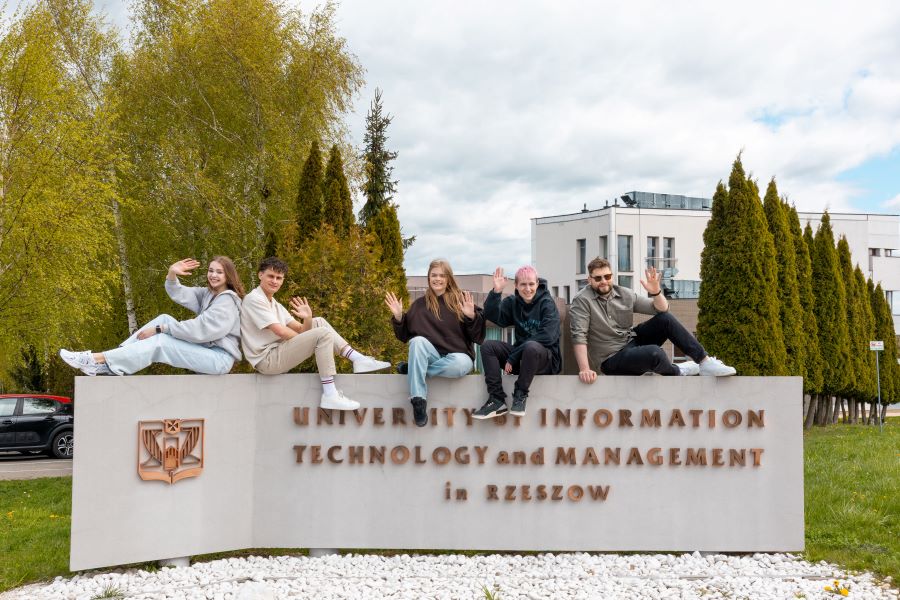
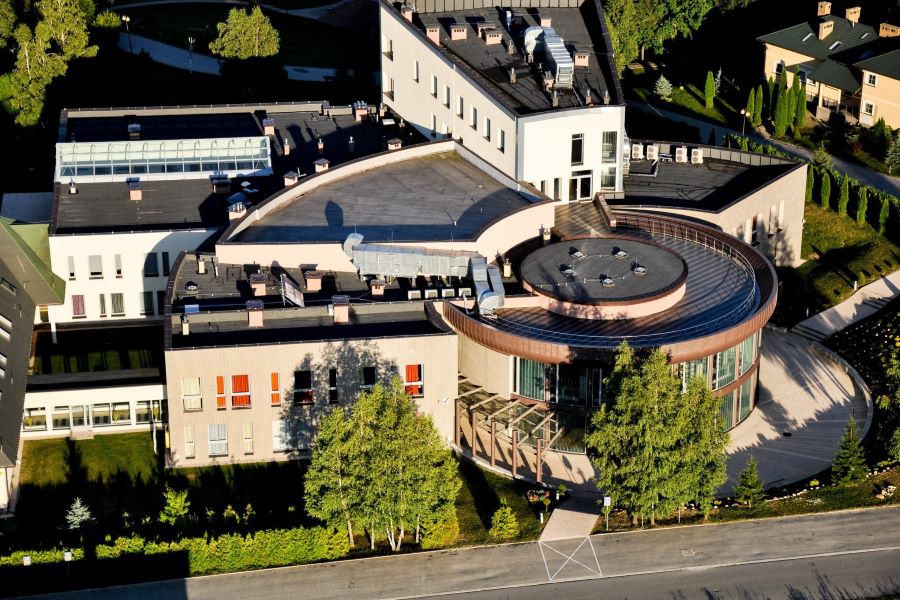
At the University of Information Technology and Management in Rzeszow, the Social Work programme is designed around practical preparation. The university highlights the development of social-intervention programmes, prevention initiatives and professional strategies for addressing social problems. Subjects connected with families, ageing, disability, substance misuse, social policy and project funding give students a broad base for future work.
Why study Social Work in Poland?
Poland offers an interesting setting for Social Work because students can observe social policy within both a national and European context. The country is responding to many of the same challenges seen elsewhere in Europe, including population ageing, regional inequality, migration and the need for accessible community services. Learning in this environment helps students see how social problems are shaped by local history, public institutions and changing demographics.
For international students, living in Poland also provides day-to-day experience of adapting to a new culture. That experience can strengthen patience, cultural awareness and communication skills, all of which matter in professional social work. Rzeszow offers the advantages of a regional capital while remaining more manageable than many of Europe’s largest cities.
Why choose UITM in Rzeszow?
The University of Information Technology and Management in Rzeszow offers Social Work as a full-time, six-semester undergraduate programme. The course is taught in English and places emphasis on practical application rather than treating social problems only as academic theory.
UITM’s international student community gives classroom discussions a wider perspective. Students from different countries may approach family life, public support, disability or community responsibility in different ways. Learning to discuss those differences respectfully is valuable preparation for work with diverse clients and colleagues.
Students also benefit from studying at a university that connects social issues with management and project skills. Many organisations need professionals who can do more than deliver services; they need people who can prepare projects, secure funding, coordinate partners and assess outcomes. Those abilities can help graduates contribute to both established institutions and new community initiatives.
Language and professional preparation matter
Students planning to work in Poland should make learning Polish a priority. Social work depends on trust, accurate communication and an understanding of local procedures, so language ability is especially important in roles involving clients, families and public authorities. Graduates who intend to work in another country should check its professional requirements, because job titles, registration rules and recognised qualifications are not identical everywhere.
For students motivated by public service and social change, studying Social Work in Poland can provide a practical route into a profession with long-term relevance. At UITM, the combination of English-language teaching, an international learning environment and a practice-oriented curriculum gives students a foundation for careers that place people and communities at the centre of their work.