“Understanding Hate Crime & Unconscious Bias”
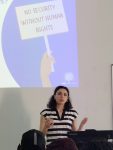
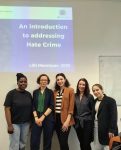
A recent workshop led by Lilit Movsisyan from the OSCE Office for Democratic Institutions and Human Rights (ODIHR) in Warsaw provided a thought provoking exploration of unconscious bias, hate speech, and hate crime. The session offered valuable insights into how bias operates in societies and the serious consequences it can have when left unaddressed.
One of the central takeaways from the workshop was the distinction between personal attitudes and criminal behavior. While feelings or attitudes of hate are not, in themselves, criminalized, they can become so when they motivate harmful actions. Acts such as assault, violence, vandalism, threats, or stalking when driven by bias are classified as hate crimes. This principle of “bias motivation” underpins legal protections for specific groups, including those defined by characteristics such as disability, gender, religion, ethnicity, language, and nationality.
The discussion further highlighted the dangerous paths of unchecked bias. What may begin as prejudice can evolve into discrimination, escalate into hate crimes, and, in extreme cases, culminate in extreme cases such as genocide. This progression underscores the importance of early intervention,security, education, and awareness in preventing harm.
Specifically for social work students, these insights are particularly significant. As future professionals, they will work closely with individuals and communities impacted by hate crimes. This responsibility demands not only knowledge but also empathy and a trauma-informed approach to care. Social workers must be equipped to provide comprehensive support, addressing the legal, emotional, psychological, and social needs of victims.
Collaboration is another critical aspect of this work. Engaging with organizations that specialize in supporting victims of hate crimes allows social workers to offer more effective and holistic assistance. Beyond direct support, their role extends into advocacy and community engagement. By raising awareness about hate crime, hate speech, stereotypes, unconscious bias, and prejudice, social workers can help challenge harmful narratives and promote inclusivity.
Ultimately, combating hate is not the responsibility of a single profession or institution. It requires a collective effort grounded in shared values, continuous education, and a firm commitment to human dignity.